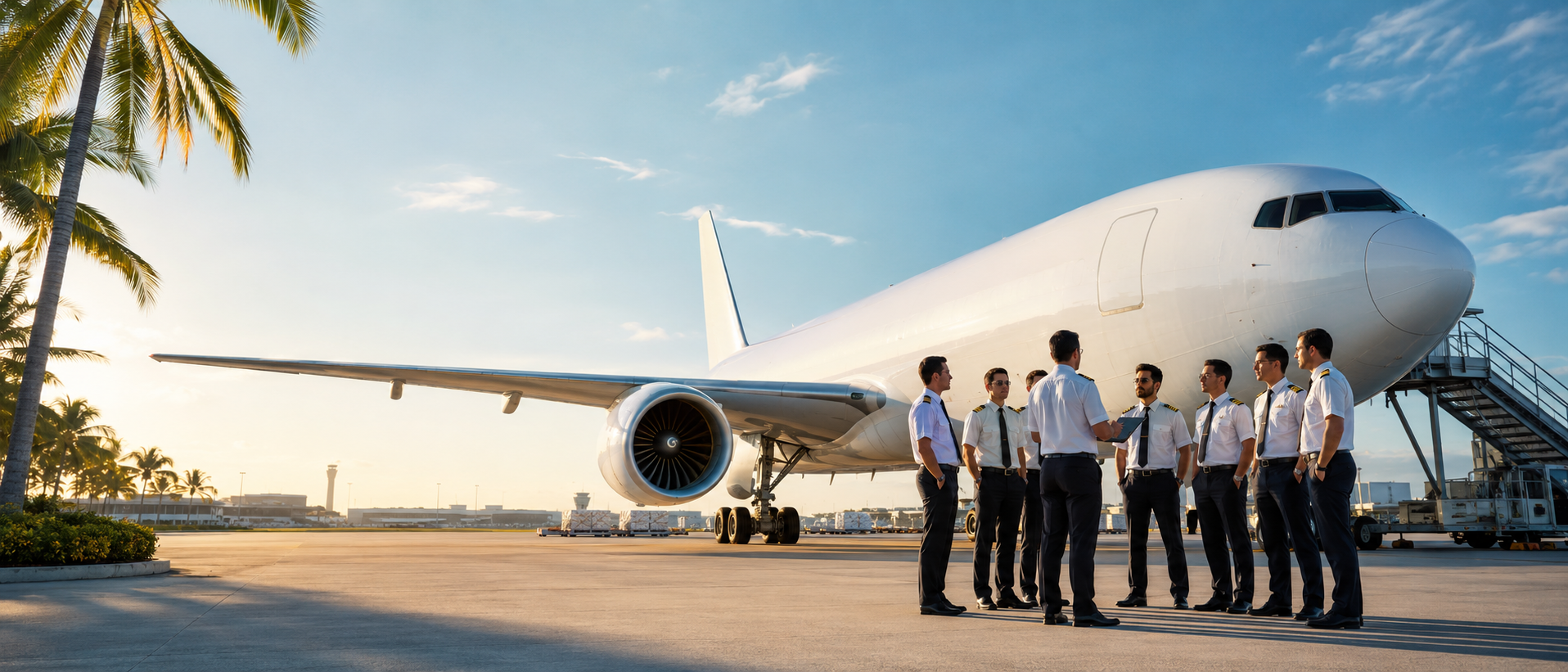
Indicative training timeline
The timeline below is an indicative overview of the typical training flow after arrival. Exact duration can change depending on class scheduling, instructor availability, simulator slots, company planning and any pauses between phases.
Hotel and first positioning flight
- During the initial training period, hotel accommodation is paid by the company.
- For training, only the first one-way flight from the pilot’s home location to the training location is paid by the company.
- Subsequent travel arrangements should always be confirmed directly with the company / CAVOK before departure.
Pre-employment training — Haikou
Dangerous goods, company introduction, iPad and app setup, uniform and administrative setup.
Safety and Emergency Procedures — Kunming
Safety, security, emergency procedures, fire drills, pool drills and straightforward exams.
CRM — Haikou
CRM course with a final exam that is usually manageable if you follow the classes and revision.
CBT / systems — Haikou
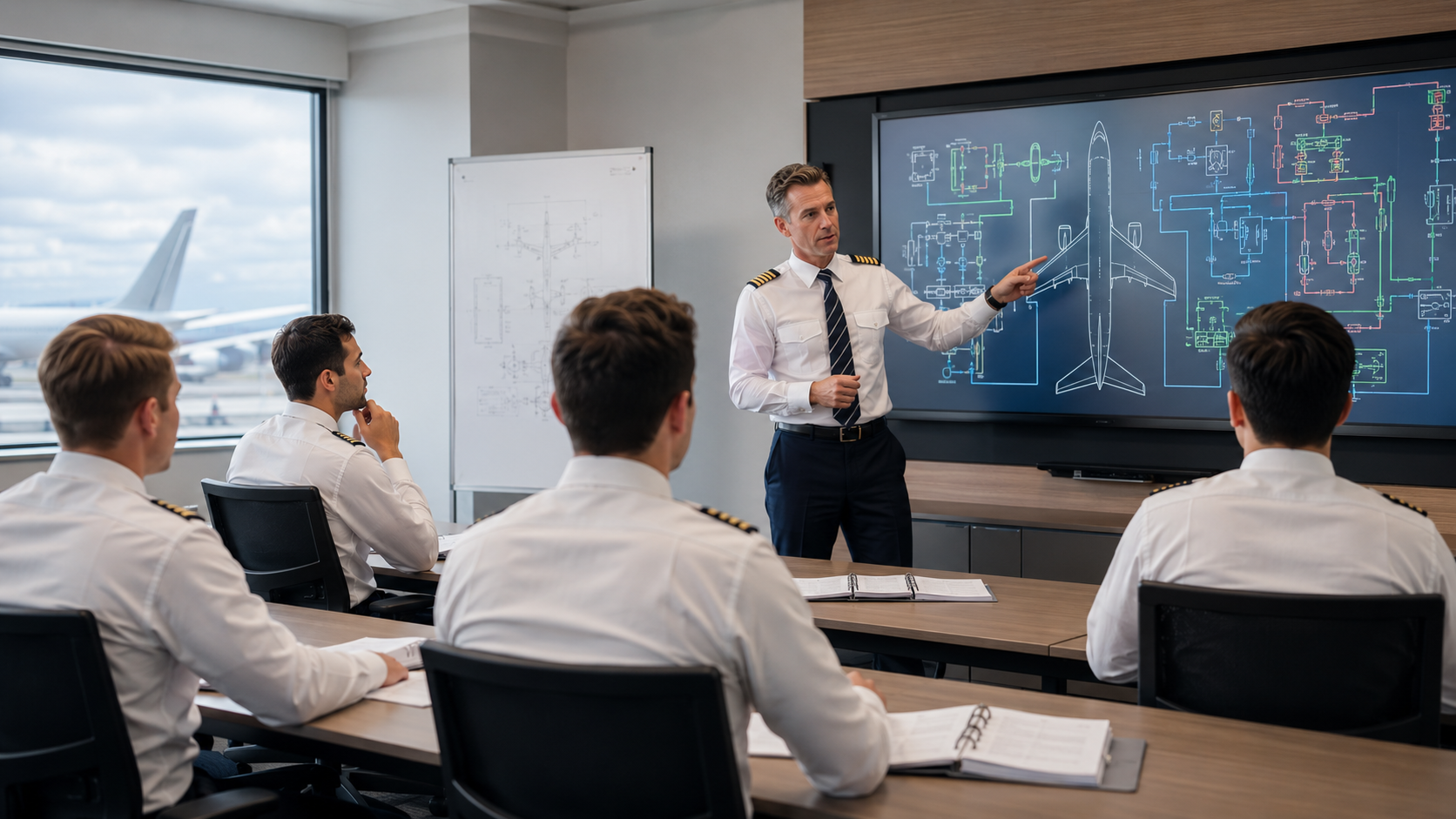
Aircraft systems study. Expect a mix of English-led classroom instruction, some lessons translated from Chinese, and CBT-based modules completed in the classroom environment.
Simulator — Haikou
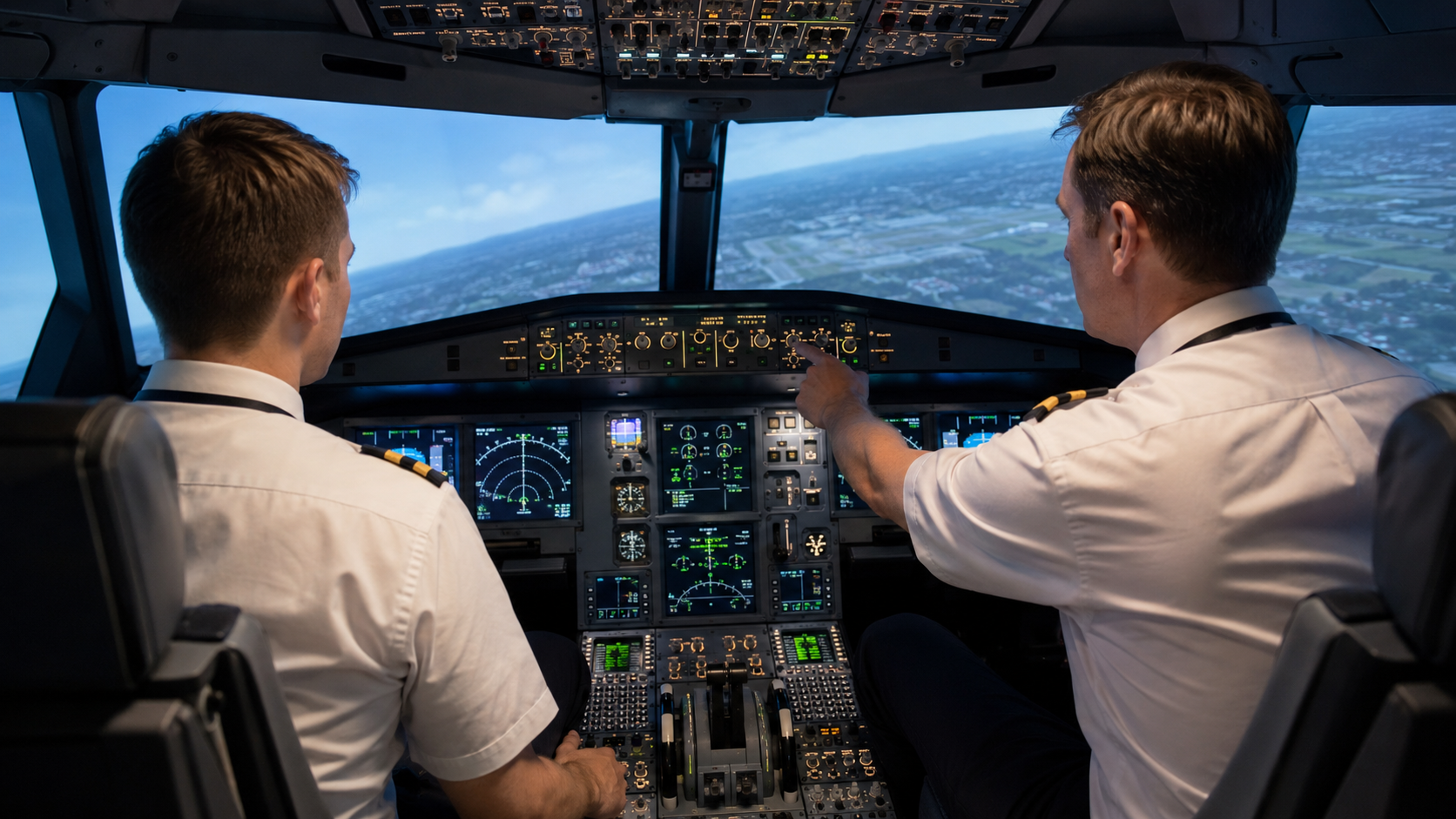
Simulator training, though overall calendar duration may be longer if there are breaks, planning pauses or slot constraints.
Release toward line flying
After formal phases are complete, progress continues toward line release according to company planning and checking requirements. From this stage onward, the roster option chosen in the contract starts to be applied, for example a 20/10 pattern would normally begin from line training.
Questions? Want to apply?
Contact CAVOK to confirm your profile, ask practical questions, or start the application process.
Contact usSybil
Phone / WhatsApp: +86 175 0308 0737
WeChat: sybilcsy